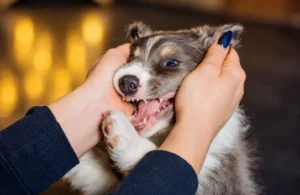
Dog breath is rarely expected to smell like fresh mint and roses. After all, dogs eat things we would never consider putting anywhere near our mouths, lick questionable objects, and seem strangely interested in investigating garbage cans. But there is an important difference between ordinary “dog breath” and an odour that makes you reconsider every affectionate face lick your dog has ever given you.
If your dog’s breath smells consistently unpleasant, there is usually a reason behind it. In many cases, persistent bad breath is connected to dental disease, but sometimes it can point to other health problems that deserve attention.
Understanding what causes bad breath can help you decide whether your dog simply needs better dental care or whether it is time for a veterinary examination.
The Most Common Cause – Dental Disease
The number one reason dogs develop persistent bad breath is poor oral health.
Food particles, bacteria, and saliva constantly interact inside your dog’s mouth. Over time, bacteria form a sticky layer called plaque on the teeth. If plaque is not removed, minerals in saliva cause it to harden into tartar.
Once tartar builds up around the gumline, bacteria can irritate the gums and lead to gingivitis. The gums may become red, swollen, sensitive, or prone to bleeding.
As dental disease progresses, the bacteria can move deeper beneath the gumline and damage the structures supporting the teeth.
And yes – the smell can become impressive.
Unfortunately, brushing the visible surface of a dog’s teeth cannot always solve established dental disease. Once thick tartar or infection develops below the gumline, professional veterinary care is usually necessary.
Signs That Bad Breath May Be a Dental Problem
Bad breath may be the first thing you notice, but dental disease often causes other symptoms.
Watch for:
- Yellow or brown tartar covering the teeth
- Red, swollen, or bleeding gums
- Difficulty chewing hard food or treats
- Dropping food while eating
- Chewing predominantly on one side of the mouth
- Pawing or rubbing at the face
- Loose, damaged, or missing teeth
- Excessive drooling
Dogs can be surprisingly good at continuing to eat despite significant dental discomfort. A healthy appetite does not necessarily mean your dog’s mouth is healthy.
Regular veterinary dental examinations can identify problems that are difficult to see at home, particularly issues occurring beneath the gumline.
Why Does My Dog’s Breath Suddenly Smell Worse?
A sudden change in breath deserves more attention than the usual mild doggy odour.
Your dog may have something stuck between the teeth or under the gums. Pieces of sticks, bones, food, hair, or other material can become trapped and create inflammation or infection.
A damaged or fractured tooth can also become infected. The infection may develop around the tooth root where it cannot easily be seen simply by opening your dog’s mouth.
Dogs are also remarkably talented at eating things they absolutely should not eat. Garbage, spoiled food, feces, dead animals, and various backyard discoveries can temporarily produce spectacularly bad breath.
If the smell disappears shortly afterward and your dog appears completely normal, the explanation may be fairly innocent. Persistent or worsening odour, however, should be investigated.
Can Bad Breath Come From the Stomach?
Many people assume bad breath must come from the stomach, but most chronic bad breath in dogs actually originates in the mouth.
That said, digestive problems can occasionally contribute to unusual breath.
Repeated vomiting, regurgitation, gastrointestinal irritation, or certain dietary problems may affect breath odour. If bad breath appears alongside vomiting, diarrhea, appetite changes, weight loss, or abdominal discomfort, the issue may extend beyond dental health.
This is one reason examining the whole dog matters rather than simply trying to disguise the smell.
Bad Breath Can Occasionally Signal Other Health Problems
While dental disease is extremely common, unusual breath can sometimes be associated with systemic illness.
For example, kidney disease may produce an unusual chemical or ammonia-like smell on the breath. Diabetes can occasionally create a sweet or fruity odour, particularly when serious metabolic complications develop.
Oral infections, growths inside the mouth, foreign objects, and severe tissue damage can also create distinctive smells.
Bad breath alone does not tell you exactly what is happening. The accompanying symptoms and veterinary examination provide much more useful information.
Contact a veterinarian promptly if bad breath occurs together with:
- Significant loss of appetite or refusal to eat
- Persistent vomiting or diarrhea
- Increased thirst or urination
- Unexplained weight loss
- Facial swelling
- Bleeding from the mouth
- Severe drooling
- Obvious oral pain
- Difficulty swallowing
- Sudden lethargy or weakness
The stronger or more unusual the smell becomes, especially when other symptoms appear, the less useful the “maybe it will disappear tomorrow” strategy becomes.
Does My Dog Really Need Professional Dental Cleaning?
Sometimes, yes.
Home dental care is excellent for prevention, but it cannot remove every type of dental disease.
Professional dog dental cleaning in Calgary allows a veterinary team to properly evaluate the teeth, remove plaque and tartar, clean beneath the gumline, polish the teeth, and investigate abnormalities that may not be visible during a simple examination.
One particularly important area is underneath the gums. A tooth can look reasonably normal above the gumline while significant disease is developing below it.
Depending on the dog’s condition, dental X-rays may also be recommended to examine tooth roots and surrounding bone.
If infected, loose, fractured, or severely damaged teeth are discovered, additional treatment may be needed.
The goal is not simply fresher breath. It is maintaining a comfortable, functional, healthy mouth.
Can I Fix My Dog’s Bad Breath at Home?
Good home dental care can make a major difference, particularly when started before significant dental disease develops.
Brushing your dog’s teeth with toothpaste designed specifically for dogs is one of the most effective methods. Human toothpaste should not be used because some ingredients are unsuitable or potentially dangerous for pets.
Dental diets, veterinarian-recommended dental chews, and certain oral-care products may also help reduce plaque accumulation.
However, there is one important distinction: prevention and treatment are not the same thing.
If your dog already has thick tartar, periodontal disease, infected teeth, or significant gum inflammation, adding a dental chew is unlikely to magically reset the mouth to factory settings.
Trying to scrape heavy tartar from your dog’s teeth at home can also damage the gums or tooth enamel and does nothing to address disease hidden beneath the gumline.
How Often Should My Dog’s Teeth Be Checked?
Your dog’s mouth should be evaluated as part of routine veterinary care, but the ideal dental schedule varies.
Age, breed, tooth alignment, diet, genetics, previous dental disease, and home dental care all influence how quickly plaque and tartar accumulate.
Small dogs and breeds with crowded teeth can be particularly prone to periodontal disease because food and bacteria can accumulate easily between tightly positioned teeth.
Rather than waiting until the breath becomes unbearable, regular examinations allow dental problems to be detected much earlier.
A veterinary team can also recommend a home-care routine based on your dog’s individual needs instead of relying on random products that promise Hollywood-white canine teeth.
Why Ignoring Chronic Bad Breath Is Not a Great Idea
Bad breath is easy to joke about, but the underlying dental disease may be painful.
Periodontal disease can cause chronic inflammation, infected gums, loose teeth, tooth-root infections, and eventual tooth loss. Dogs may adapt their behaviour slowly, making discomfort difficult to recognize.
Owners sometimes notice a dramatic change only after treatment. A dog may begin eating more enthusiastically, playing with toys again, or simply behaving more comfortably once painful dental problems are addressed.
That is why persistent bad breath should not automatically be dismissed as something every dog has.
When Should You Book a Veterinary Appointment?
If your dog’s breath has become persistently unpleasant, particularly if you can see tartar or gum inflammation, scheduling an examination is a sensible next step.
A veterinarian can determine whether your dog simply needs improved preventive dental care or whether professional treatment is appropriate.
At West Springs Vet, dental health can be evaluated as part of your dog’s overall healthcare rather than treating bad breath as an isolated cosmetic problem. Visiting an experienced animal clinic in Calgary. can help identify dental disease, oral infections, damaged teeth, and other health concerns before they become more uncomfortable or complicated.
Fresh breath is nice. A healthy, pain-free mouth is far more important.
Help Your Dog Smile Without Clearing the Room
If your dog’s breath regularly makes you turn your head during cuddle time, do not simply cover the smell with treats and hope for the best.
Persistent bad breath often has an identifiable cause, and many dental problems are easier to manage when discovered early.
Book an appointment with West Springs Vet today to have your dog’s teeth, gums, and overall oral health professionally evaluated. A healthier mouth can mean fresher breath, easier eating, less discomfort, and many more close-up dog kisses you will not immediately regret.